Livingston, Essex County
Aging in Place in Livingston, NJ: Home Modifications
Aging in place in Livingston, NJ is mostly a question of making ranches, split-levels and colonials work for the person living in them now. Name the trouble spot, and Aging in Place NJ connects you with a local contractor for the job.
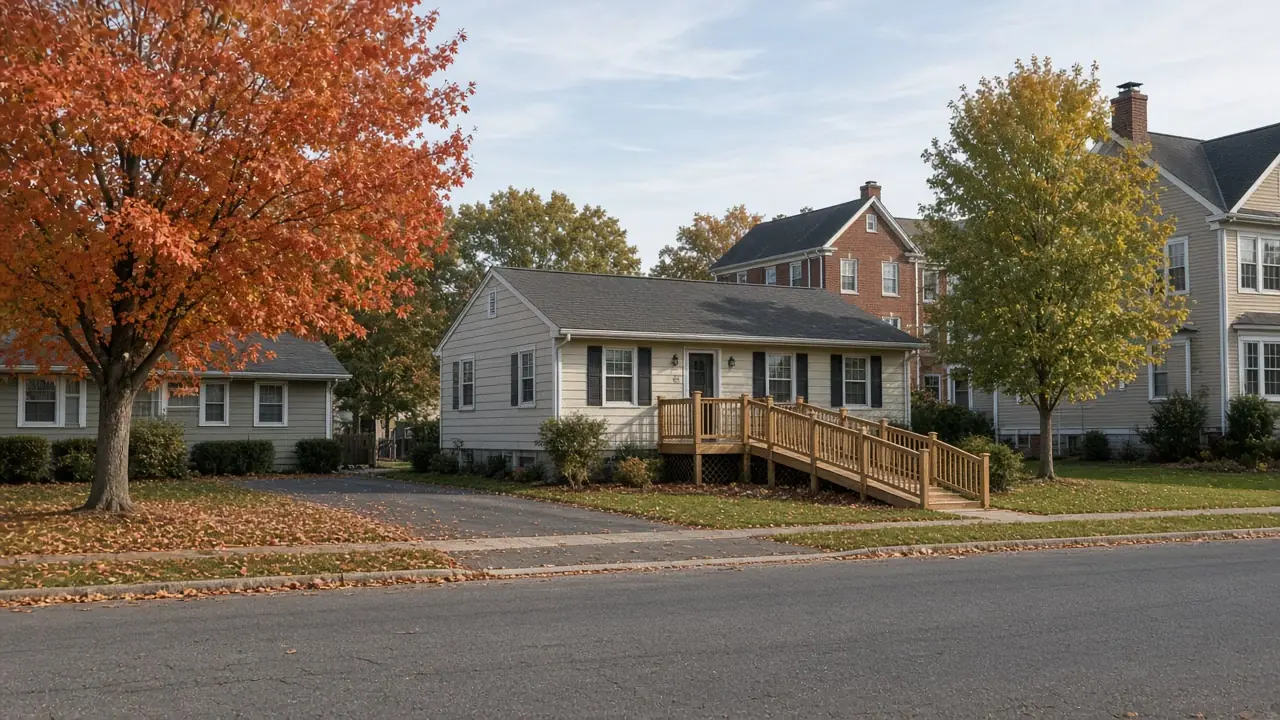
Home modifications in Livingston
Pick the job you need and read how it plays out in Livingston's split-levels, ranches and colonials.
Accessible bathrooms and walk-in showers
See detailsStairlifts and home lifts
See detailsWheelchair ramps
See detailsDoorway widening
See detailsGrab bars and handrails
See details
In Livingston, local help with aging services comes from Essex County Division of Senior Services.
Questions people ask
Which Livingston homes are likely to need accessibility changes?
Ranches, split-levels and colonials from the 1950s and 60s, which make up much of the town. Common trouble spots are the tub, half-flights between levels and the front steps.
Is there a county office I can ask about aging services?
Yes. The state lists the Essex County Division of Senior Services for Livingston. It lists home modification and residential repair programs and a falls program, so ask what you qualify for.
Can Livingston waive permit fees for accessibility work?
New Jersey lets a town do it by ordinance, but it is optional. Ask the Livingston construction office whether it has one. Towns must exempt certain totally disabled veterans.
Does Livingston review stairlift plans locally?
No. The State lists Livingston's elevator subcode jurisdiction as State, so the state Elevator Safety unit reviews chairlift and platform lift plans.
How do I start a project in Livingston?
Pick the job closest to your problem, then call or use the form. It is fine to say you are not sure yet.
Homes in Livingston
Livingston is a town of owners. Nearly all occupied homes are owner-occupied, and most housing units are single-family detached houses. The median house was built in 1962, and many homes predate 1960.
Source: Census Bureau, median year built and age
Construction from the postwar and early-1960s years usually means ranches, split-levels and center-hall colonials on their own lots. Those layouts bring their own quirks: half-flights of stairs between levels, a few steps up to the front door, bathrooms with a tub and a small vanity, and a lower-level family room that sees less use as knees get tired.
With almost 19 percent of residents 65 or older, above the share seen across NJ, more Livingston households are likely thinking about this now. Because owners make the decisions and the lots are usually open, ramps and lifts have room to go, which is not always the case in denser parts of Essex County.
That gives most projects here a clear path from decision to work.
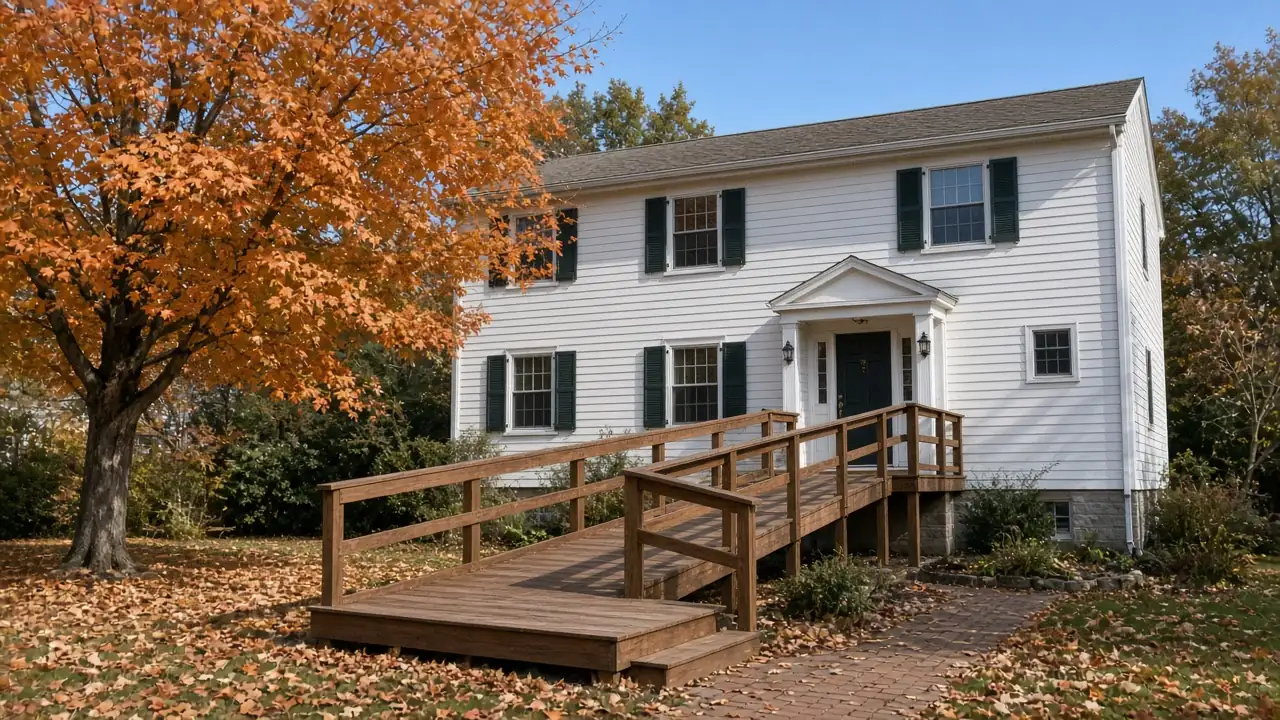
Aging in place in Livingston, NJ: the ranch, the split-level and the colonial
The median Livingston home was built in 1962. About 45 percent of homes predate 1960, and 71 percent were built before 1980. Postwar and early-1960s houses make up much of the town.
Source: Census Bureau, year built and median year built
Each style has its own pinch points.
- Ranch: one floor, so stairs are less of an issue. The trouble is usually the bathroom and the front steps.
- Split-level: half-flights between levels, so there is no single staircase to fix. Several short runs add up.
- Colonial: a full flight to the bedrooms and a basement flight below.
Knowing which one you live in tells you where to look first.
A town of owners with room to work
Most of Livingston's housing units are single-family detached, and nearly all occupied homes are owner-occupied. Most households decide for themselves, and most lots have yard space for a ramp or a lift landing.
It also means fewer of the shared-entry problems that slow projects in denser towns. The usual issues here are practical: how long a ramp has to be, whether a half-flight can take a lift, and which bathroom to rebuild first.
Just under 19 percent of residents are 65 or older, above the 17.2 percent seen across New Jersey. More Livingston households are facing these questions, so planning early is a normal choice, not an unusual one.
Our 100% Guarantee
- Asking is free. It never commits you to anything.
- We charge you no fee for planning or the introduction.
- You pay only the contractor you choose, at their written price.
- Your $100 credit is honored on your first booked project.
- Not happy with an introduction? Say so, and we will find you another at no charge.
Small print: This guarantee covers our planning and introduction service. The contractor's work is covered by your contract with them. Offer terms. Guarantee terms.
Aging in Place NJ · (315) 640-3590
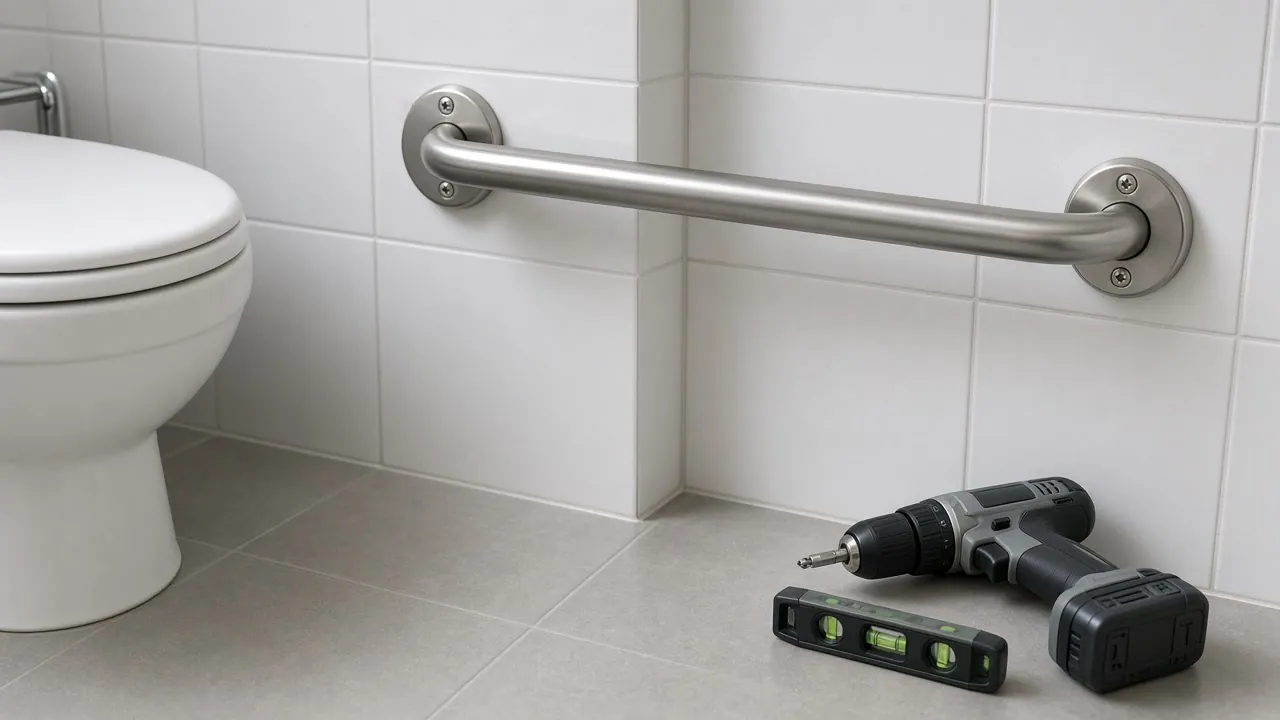
Safety checks any Livingston household can run this week
You do not need a contractor to start. Walk the house with a pad and pencil, and look for the places where a fall could begin.
- Stairs: is there a rail on both sides, and a light and switch at the top and bottom?
- Tub and shower: is the floor non-slip, and is there something solid to hold?
- The path from bed to bath: is it lit at night?
- Rugs and cords on the way: can they go?
These come from CDC's home fall-prevention checklist. CDC reports that one in four older adults falls every year. In New Jersey in 2024, falls were the leading cause of unintentional injury death for residents 60 and older, with 574 deaths and more than 22,000 hospital admissions.
Sources: NJ Human Services, CDC
Items on that list that need a trade, such as stair light switches, are for an electrician. Rails, bars and shower changes are what Aging in Place NJ can connect you with a local contractor to do. Make a note of what you find, and describe it when you call.
Choosing the first job in a Livingston house
- The tub is the hardest part of the day: start with an accessible bathroom in Livingston.
- Half-flights and a basement stair: see stairlift installation in Livingston.
- A few steps at the front door: a wheelchair ramp in Livingston may be easy to fit.
- Narrow hall and bath doors: read about doorway widening in Livingston.
- A first, simple step: grab bars and handrails in Livingston.
Ask the contractor to look at the whole route from the car to the bed to the bath. A change in one spot can hide a problem in the next.
Essex County resources and local permit questions
The Essex County Division of Senior Services is the county aging office the state lists for Livingston residents. It lists Home Modifications for ramps, Residential Repair and a Matter of Balance falls program. Call to ask what you qualify for.
On permits, ask the Livingston construction office one extra question. New Jersey lets a town, by ordinance, waive construction permit fees for work that is solely to promote accessibility for disabled persons. It is optional, and it is up to each town. A veteran with a total, permanent service-connected VA disability is covered by a rule that towns must follow. Ask whether Livingston has an ordinance.
Sources: NJ Legislature, Essex County
For funding, see paying for home modifications in New Jersey. Original Medicare treats modifications as noncovered.
How a Livingston project runs, and what the contract must say
- You call or send the form, and say where the trouble is.
- Aging in Place NJ connects you with a local contractor. We are not the contractor, a dealer or a funder.
- The contractor visits and writes up the job.
- You sign a written contract before work, and permits are issued before it starts.
New Jersey requires a home improvement contract over $500 to be written and signed. A contractor must not start before the needed permits are issued, and must not ask you to sign a completion certificate or make final payment before the work is done. You can cancel for any reason before midnight of the third business day. Our guide to the three-day right to cancel has the steps.
Sources: NJ Legislature, NJ Consumer Affairs
Livingston and the towns next to it
If a parent or sibling lives close by, see aging in place in West Orange, aging in place in Montclair or aging in place in Parsippany. Their housing differs from Livingston's, and so do the notes.
To begin, call (315) 640-3590 or use the form, and take $100 off your first project.
Also serving nearby
Ready to plan it?
$100 off your first project. Call or send a request.