Livingston, Essex County
Accessible Bathroom and Walk-In Shower Remodels in Livingston, NJ
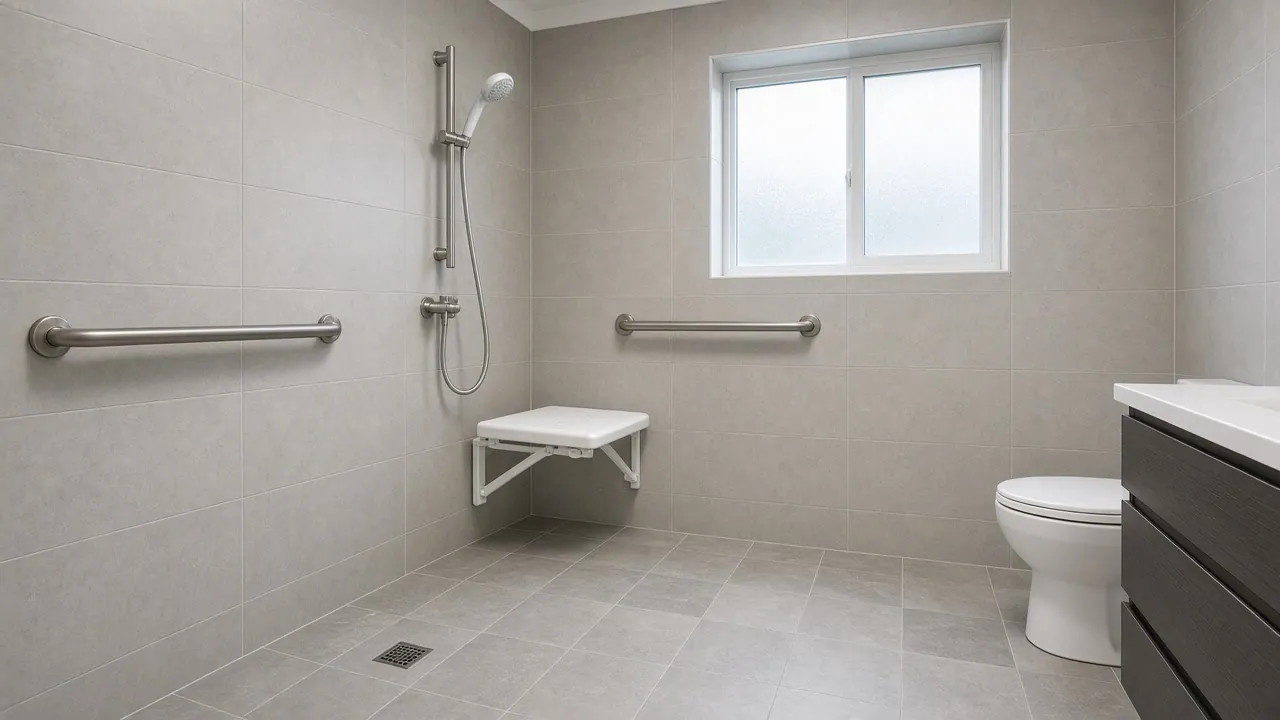
An accessible bathroom in Livingston, NJ starts with the 1960s tub-and-tile layout still found in many homes. Replacing it with a roomy walk-in shower makes daily washing easier, and most houses here have the space to do it well.
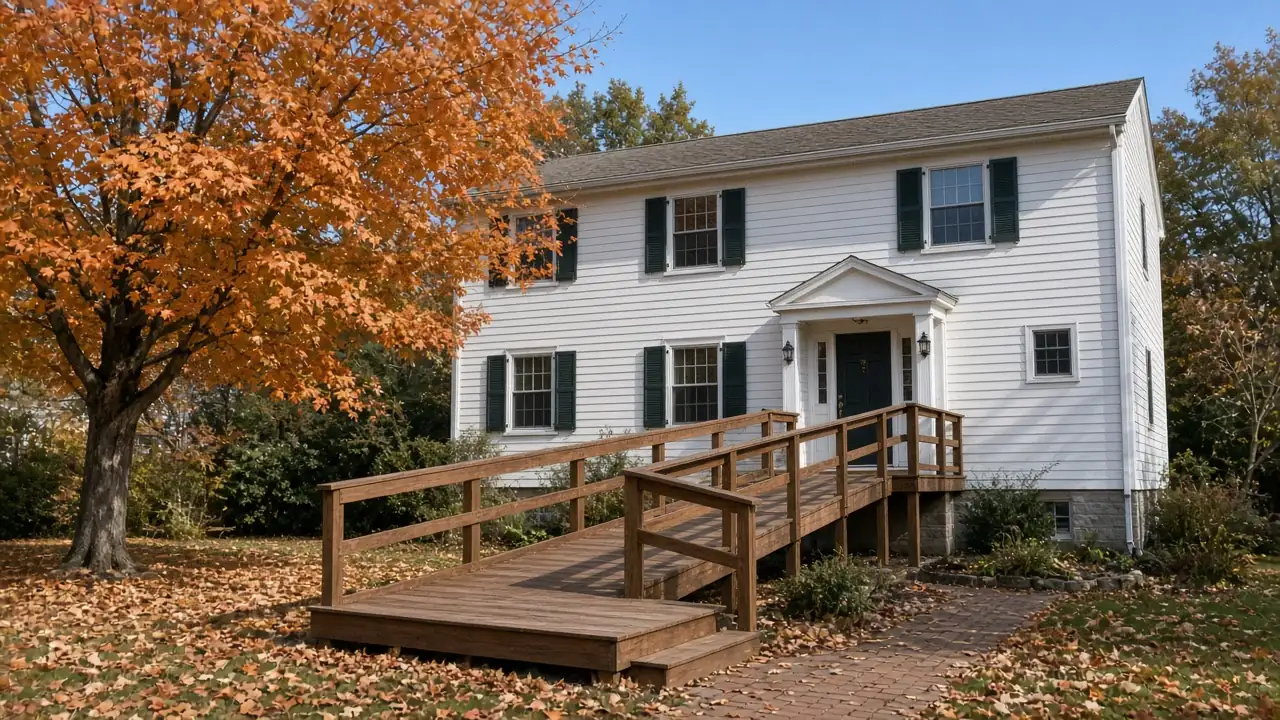
Your house in Livingston
- A tub wall that is now a barrierLifting a leg over the rim has become the hardest part of the morning.
- Two bathrooms and one that worksYou can rebuild one without losing the use of the house.
- A mobility aid in the houseA cane, walker or transfer chair does not fit the existing bath.
- Planning aheadYou would rather rebuild the bath calmly than rush it after a hospital stay.
Questions people ask
Will a walk-in shower fit where my 1960s tub is?
Usually yes. A shower the size of the old tub fits. If you want more room, the contractor can borrow space from a closet.
Should I rebuild the hall bath or the one off the bedroom?
Pick the one you use every day and that has room. Ask the contractor to sketch both.
Are plumbing and electrical done by the same crew?
Often not. They are separate trades under New Jersey rules, and each has its own permit paperwork.
How long will the bathroom be out of use?
It depends on the scope. Ask for a written schedule and for a plan for where to wash in the meantime.
Accessible bathrooms and walk-in showers in Livingston
Many Livingston bathrooms still have the tub-and-tile layout of the 1960s. The median home here was built in 1962, and about 85 percent of housing units are detached houses on their own lots. That usually means room around the bathroom to work with.
Source: Census Bureau, median year built and home types
Nearly all occupied homes are owner-occupied, so the person using the bathroom is the person approving the plan. See aging in place in Livingston for the other jobs.
The permit point
In NJ, plumbing and electrical work must be done by people licensed for those trades, with their license numbers on the permit application.
Accessible bathroom in Livingston, NJ: ranch and split-level options
A house built around 1962 often has two bathrooms: a hall bath with a tub and a smaller one off the main bedroom. That gives you a choice other towns do not have. Rebuild one bath for easy bathing and leave the other as it is.
Source: Census Bureau, median year built
Which one to pick?
- The one you use daily. If it is the hall bath, start there.
- The one on the level you sleep on. In a split-level, that may be a half-flight from the kitchen.
- The one with room. A shower needs room to sit and turn, and more for a wheelchair.
Ask the contractor to sketch both rooms before you decide.
A bigger shower from a 1960s tub alcove
The standard tub alcove is about five feet long. A shower the same size works for a seated bather with a handheld sprayer. For more room, the contractor can borrow space from a linen closet or the next bedroom wall.
Three design choices matter most:
- Entry: a low, beveled threshold for a walker. The Access Board allows up to a half inch if it is beveled, and notes that a flush entry is easier.
- Seat: built-in or fold-down, set where the sprayer reaches.
- Controls: placed within reach from outside the water stream.
Sources: Census Bureau, year built, U.S. Access Board
With 71 percent of Livingston homes built before 1980, many bathrooms have the same drywall and tile, which keeps the layout predictable. Our notes on walk-in tubs and walk-in showers can help you choose.
Our 100% Guarantee
- Asking is free. It never commits you to anything.
- We charge you no fee for planning or the introduction.
- You pay only the contractor you choose, at their written price.
- Your $100 credit is honored on your first booked project.
- Not happy with an introduction? Say so, and we will find you another at no charge.
Small print: This guarantee covers our planning and introduction service. The contractor's work is covered by your contract with them. Offer terms. Guarantee terms.
Aging in Place NJ · (315) 640-3590
Keeping the house running while one bathroom is out
A bathroom rebuild closes the room for days or weeks. Two baths are an advantage, since you can use the other one. Plan for the details anyway.
- Decide whether the second bath has a tub or shower you can use safely.
- Ask where the contractor will put tools and debris, and how dust is kept out of the hall.
- Ask when water and power are off, and for how long.
- Keep a list of the days you need someone else's help.
If the second bath is on a different level, a trip down a half-flight at night is a fall risk. Put a light and a rail there before the work starts.
Plumbing, electrical and who does what
A bathroom job mixes trades, and each has its own rules. Plumbing and electrical work must be done by people qualified for those trades, with their numbers on the permit application. That is a New Jersey rule, not a nicety.
- Fixture swap on existing pipes: ordinary maintenance.
- Moving a drain or a vent: outside that category.
- New outlet or light: an electrical job.
Source: NJ Administrative Code
Ask the contractor to say who does each part and who files the permit. If the answer is vague, ask again. A shower rebuild may involve a wall opened up to the studs, and the plan should say what goes back inside it.
Seats, bars and a shower you can use for a long time
A good accessible bath is designed for the person you may be in ten years, not only the one you are now.
- Blocking in the walls, so bars can go anywhere later.
- A non-slip floor surface in the shower. CDC advises a non-slip mat or strips on the tub or shower floor.
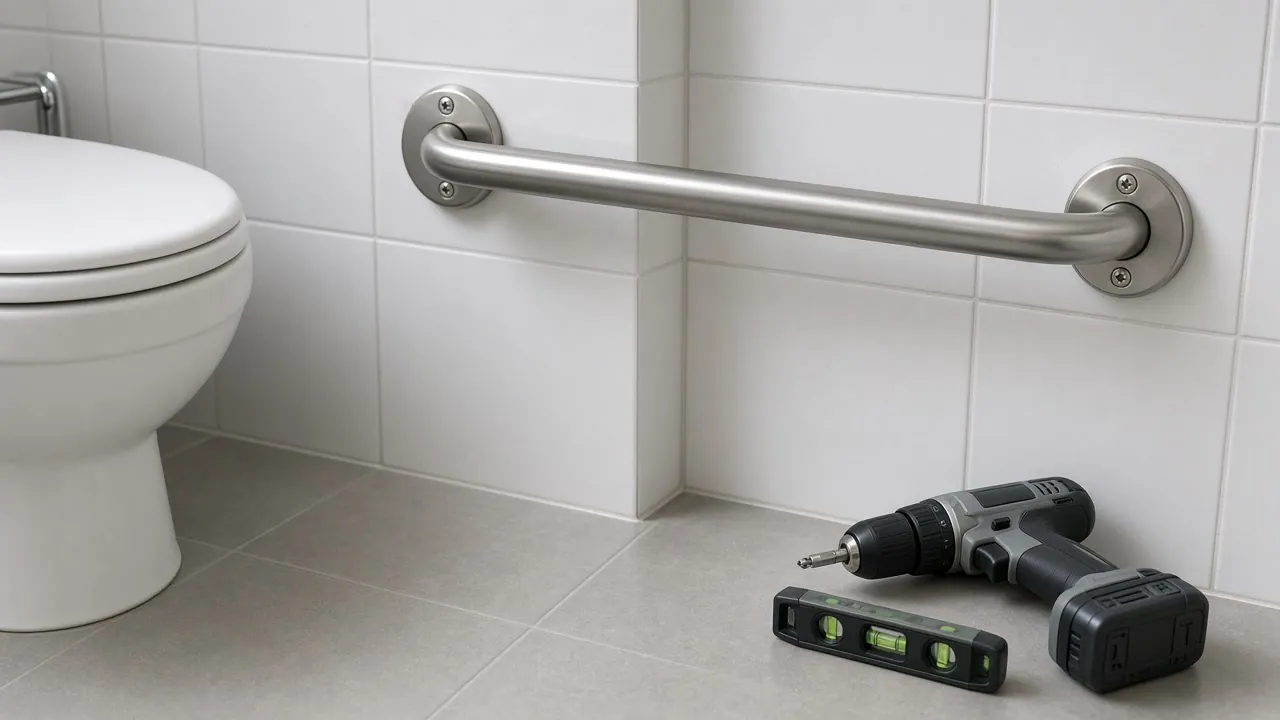
- Grab bars at the entry, beside the seat and next to the toilet.
- A wide enough opening for a wheelchair, even if you do not use one today.
Pairing bars with the rebuild saves a second visit. See grab bar installation in Livingston for placement ideas.
Cost drivers, payment and the next step
No fair price can be named before someone sees the room. The factors that move it: shower size and style, wall finish, fixtures, what is found when the old tub comes out and permit fees. Medicare does not pay, and the paying-for-modifications guide lists help for those who qualify. Essex County's aging office lists home modification and repair programs.
Sources: Essex County, NJ aging offices
Call (315) 640-3590 or use the form, and take $100 off your first project.
Accessible bathrooms and walk-in showers in nearby towns
Ready to plan it?
$100 off your first project. Call or send a request.