Cranford, Union County
Aging in Place in Cranford, NJ: Houses Made Easier to Use
Aging in place in Cranford, NJ is a live question: one resident in five is 65 or older, and most own the house they live in. A few changes can make that house easier to use. We connect you with a local contractor for the job.
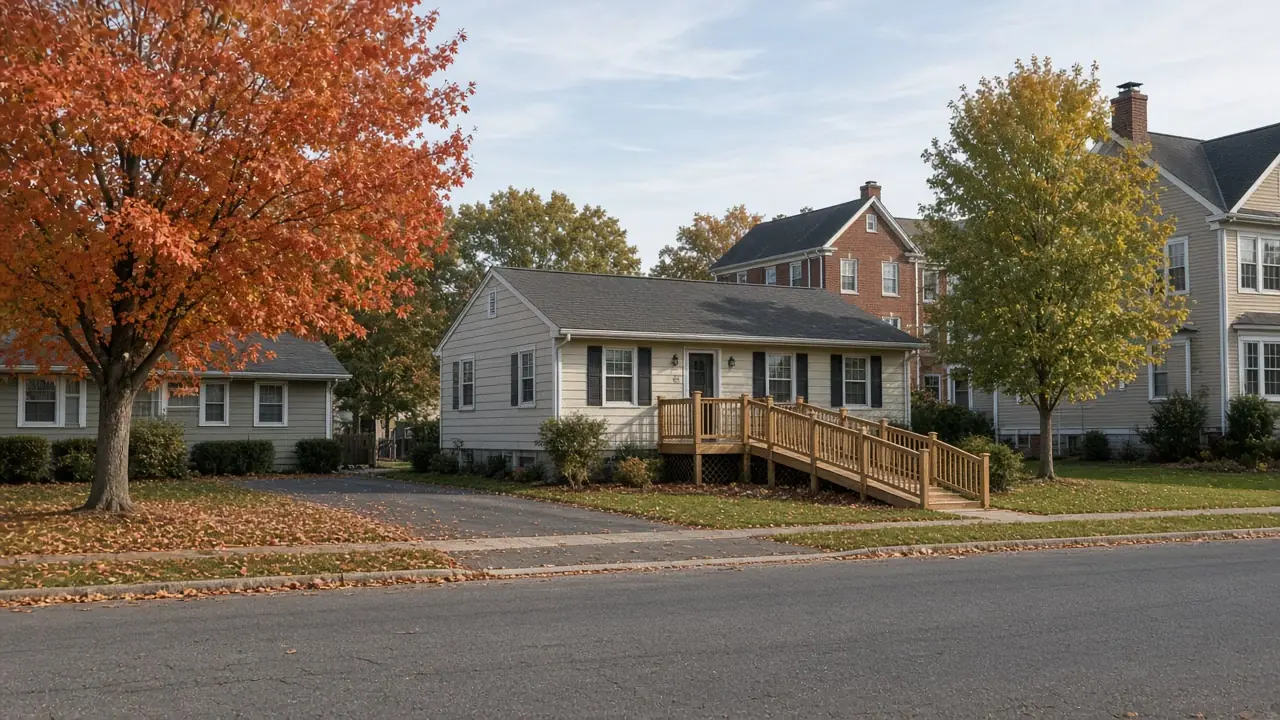
Home modifications in Cranford
Start with the job that matches your biggest daily difficulty. The pages that follow cover how each one works in older Cranford houses.
Accessible bathrooms and walk-in showers
See detailsStairlifts and home lifts
See detailsWheelchair ramps
See detailsDoorway widening
See detailsGrab bars and handrails
See details
In Cranford, local help with aging services comes from Union County Division on Aging.
Questions people ask
I have lived in my Cranford house for decades. Is it worth adapting rather than moving?
For many households it is. Some of the changes here may cost less than a move, and they let you keep your neighbors, your routines and a house you know. A contractor can tell you which problems are cheap to solve.
Can I do the work in stages?
Yes. Some households start with bars and rails, then add a shower or a lift as needs change. Tell us the order you prefer when you get in touch.
Which office covers older residents in Union County?
The Union County Division on Aging is the county agency on aging listed by the state, and it is the place to ask about help that is not home construction.
Which job do Cranford households usually start with?
Most begin with the bathroom or a second stair rail, because both are quick to do and help every day. Bigger jobs like a lift or a ramp follow when stairs or steps become the barrier.
I am helping a parent in Cranford from out of town. What should I do first?
Ask them which room they avoid. Then send the form with a few photos and measurements. A contractor can visit while you are away, and you can review the written scope together by phone.
Will the changes affect my home's value?
Most changes are neutral or helpful to the next buyer, especially bars, a low-entry shower and a tidy ramp. Ask the contractor to choose finishes that suit the house.
Homes in Cranford
Cranford's houses tell a story of settled, long-staying owners. Most occupied homes are owner-occupied and most housing units are detached single-family houses. The median home was built in 1951, and most units predate 1960.
A town of this age profile brings a predictable set of obstacles. Two-story houses with the bedrooms upstairs and the main bathroom on the same floor. Entries that need three or four steps, often with a small porch. Basements holding the laundry and the heating. Tubs set in compact alcoves, and interior doors that are narrower than those in newer houses.
The population matches the buildings. 20.3% of residents are 65 or older, above the New Jersey share, so a good share of households are dealing with these features now and not just in theory. That is why the needs here often come in the same order: an easier way to bathe, a second handrail or two, a way past the front steps, and, for the biggest stair problems, a lift.
Source: Census Bureau, median year built and age
Each job page below explains how that work goes in houses of this kind.
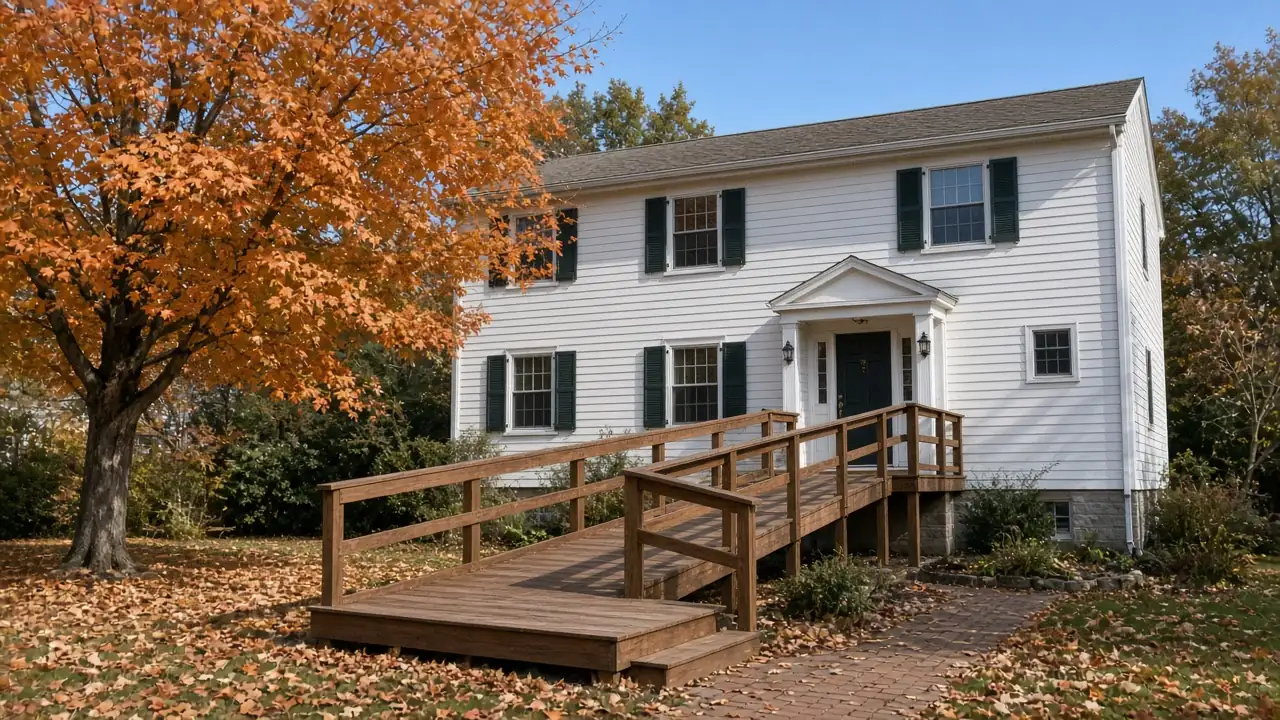
Why aging in place in Cranford, NJ is a present need
Here 20.3% of residents, or 4,890 people, are 65 or older. That is above the 17.2% for New Jersey as a whole. For many households the stairs, the tub and the front steps are a daily matter, not a plan for later.
Source: Census Bureau, age and age
The houses explain the pattern. Two stories are common, with the bedrooms and the full bath up one flight. Entries climb several steps. The laundry and the heater sit in the basement. Most of the stock dates before 1960, so doors and halls are narrow.
Read the town's job pages for how each change goes: accessible bathroom work in Cranford, stairlift installation in Cranford and wheelchair ramps for Cranford entries.
Our 100% Guarantee
- Asking is free. It never commits you to anything.
- We charge you no fee for planning or the introduction.
- You pay only the contractor you choose, at their written price.
- Your $100 credit is honored on your first booked project.
- Not happy with an introduction? Say so, and we will find you another at no charge.
Small print: This guarantee covers our planning and introduction service. The contractor's work is covered by your contract with them. Offer terms. Guarantee terms.
Aging in Place NJ · (315) 640-3590
A sensible order for the first year
Households that do well tend to follow a loose order, cheapest and quickest first:
- Add a second stair rail and a bar by the toilet.
- Fit a bench and a handheld shower head, or rebuild the tub as a shower.
- Fix the entrance: a rail, a ramp or a lift at the front steps.
- Widen the one door that blocks a walker.
- Add a stairlift when the staircase is the daily barrier.
You can skip steps or reorder them. The point is to match each change to a problem you have now, and to leave room for the next one. Small jobs can be done in a day, so they do not disrupt the house.
Paying for it with Union County help
Most households pay for these changes themselves, but check the sources that may reduce the bill. Medicare's coverage rules deny grab bars, stairway elevators and bathtub lifts. Instead, look at:
- JACC, the state program for residents 60 and older who meet nursing home level of care and are not on Medicaid, which can cover home modifications each month.
- NJ Medicaid managed care, which can cover ramps, grab bars, wider doorways and bath work to $15,000 for life.
- A medical expense deduction under IRS Publication 502 for ramps, rails and bath changes, above a set share of income.
The Union County Division on Aging can tell you which of these fit. The county also runs a Senior Home Improvement Grant, capped at $5,000 and not repaid, in participating municipalities for homeowners under an income limit. Its list names repairs like plumbing and electrical, not accessibility, so ask whether your project qualifies. Read our overview of paying for home modifications before you decide.
Sources: NJ Medicaid, Union County
Before you sign with a contractor
Three checks protect you. First, get the contract in writing and signed if it is over $500. Second, know that you can cancel for any reason before midnight of the third business day. Third, make sure the permit is in hand before work starts.
The state portal at newjersey.mylicense.com lets you search home improvement records. Plumbing and electrical work fall under separate trade rules, so ask who does those parts. The right to cancel in New Jersey is worth a read. We are not a contractor, and we connect you with a local one.
Sources: NJ Legislature, NJ Consumer Affairs
Cranford and nearby towns
We also work in aging in place in Westfield, aging in place in Livingston and aging in place in West Orange. Cranford has one difference worth knowing: lift plans go to the State, not to a local official. Send the form for $100 off your first project.
Source: NJ Community Affairs
Also serving nearby
Ready to plan it?
$100 off your first project. Call or send a request.