Ridgewood, Bergen County
Stairlift Installation in Ridgewood, NJ Houses
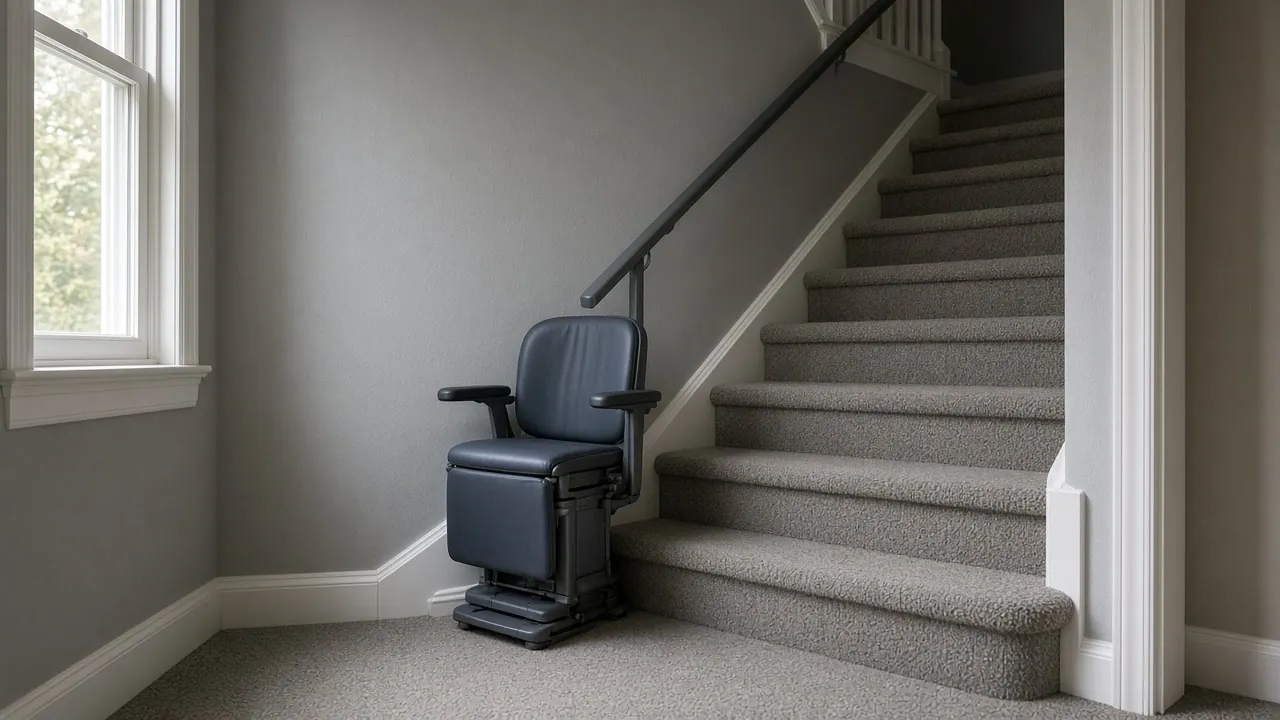
Stairlift installation in Ridgewood, NJ often starts with a narrow flight and a turn at the top. A stair lift can follow it. Keep the bedrooms upstairs where you want them.
Your house in Ridgewood
- A narrow flight with a turnA curved rail built for the stair is the answer in many older Ridgewood houses.
- Bedroom up, bathroom upIf both rooms are upstairs, the stairs control every morning and night.
- Entry stairs from the hallA hinged rail can keep the front door clear when the seat is parked.
- A house you have owned for decadesA lift may be less disruptive than moving.
Questions people ask
How long does a curved stairlift take for a Ridgewood house?
The rail is made to your staircase, so it takes longer than a straight lift. Ask the contractor for the schedule in writing.
Will the rail mark my old wooden staircase?
Ask the contractor how the rail will be fixed. Many stairlift rails mount on the treads rather than the wall, and the holes can be filled if the lift is removed later.
Do I need a stairlift or a home lift?
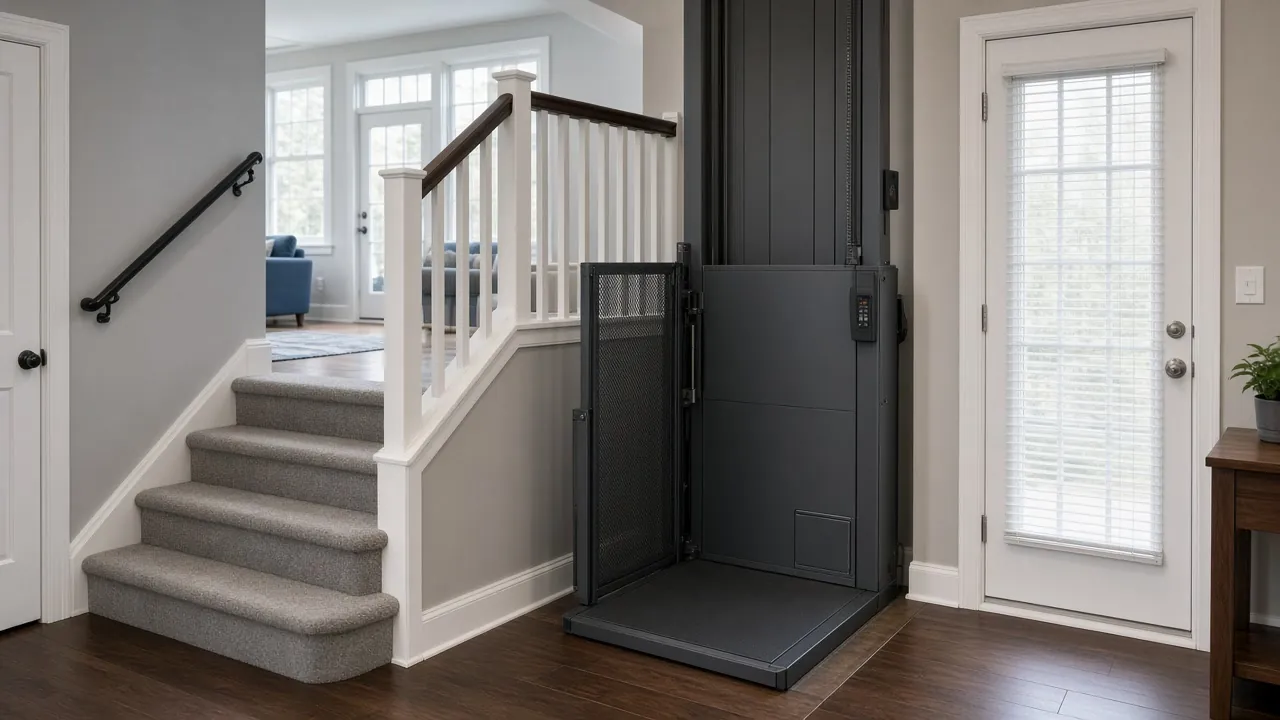
A stairlift suits one flight and one rider. A home lift or platform lift suits a wheelchair user or several floors, but needs more room and plan review. A contractor can tell you which fits your stairwell.
What does a stairlift cost in Ridgewood?
It depends on the length, the number of turns and the model. A straight rail costs less than a curved one made for your stairs. Get written quotes that say what is included.
Stairlifts and home lifts in Ridgewood
Houses built around 1950, the median in Ridgewood, were planned before stairlifts existed, and the stairs show it. They are often narrow, steep, finished with a turn or a short winder at the top, and lined with a wall at one side and a banister at the other. A straight lift might fit the simple cases, but the curved rails that fit a turning flight are made individually and take longer to arrive.
Source: Census Bureau, median year built
Measurement matters more in these houses than in newer ones. The usable width depends on trim, banisters and the thickness of the wall. A contractor measures from the narrowest point, and a lift that leaves a person at a comfortable height at each landing is better than the cheapest straight one.
The front door can also be a problem. Some Ridgewood houses have a stair that rises straight from the entry hall, so a folded seat at the bottom may sit near the door. A hinged section of rail can solve this.
Because Ridgewood subcontracts elevator subcode enforcement to a third-party agency, ask your contractor which one handles the lift permit.
The permit point
In Ridgewood, stairway chairlift and platform lift permits go through the third-party agency the town uses for elevator subcode work.
Source: NJ Community Affairs
Straight rail or curved: what your Ridgewood stairs decide
The shape of the staircase makes the first decision. A straight run is the simplest and costs the least. A flight with a landing, a winder or a turn at the top needs a curved rail, which is built to your measurements.
In a house from around 1950 the stair may have a quarter turn near the top, so ask for a survey, not a guess from photos. Three measurements matter most: tread depth, the width between wall and banister, and the headroom where the rail passes under a beam or soffit.
Source: Census Bureau, median year built
A stair lift also needs an outlet or a battery charge point. Most run on a small battery, so the wiring is often light, but ask where the charger will sit.
Our 100% Guarantee
- Asking is free. It never commits you to anything.
- We charge you no fee for planning or the introduction.
- You pay only the contractor you choose, at their written price.
- Your $100 credit is honored on your first booked project.
- Not happy with an introduction? Say so, and we will find you another at no charge.
Small print: This guarantee covers our planning and introduction service. The contractor's work is covered by your contract with them. Offer terms. Guarantee terms.
Aging in Place NJ · (315) 640-3590
When a stairlift is not enough
A stairlift carries one person who can transfer to the seat. If you use a wheelchair all day, a stairlift means leaving the chair at the bottom and keeping another at the top. That works for some and not for others.
Then look at a platform lift or a small home elevator. They need floor space, a shaft or enclosure and plan review. In New Jersey a new residential elevator device needs form UCC F150 and signed, sealed drawings from an architect or engineer. Our stairlifts and home lifts page sets out the options side by side.
Source: NJ Community Affairs
Before you commit, also ask whether moving a bedroom or bath to the main floor would solve the problem for less.
Stairlift installation permits in Ridgewood, NJ
New Jersey's Elevator Safety Subcode covers wheelchair lifts and stairway chairlifts. Each town picks who enforces it: the State, its own official or a third-party agency. Ridgewood uses a third-party agency, so the permit goes there and not to a state office.
The State fee schedule lists a $70 plan review fee for a residential lift. The State no longer does final acceptance inspections of private residence devices, though the construction official may accept reports from an approved qualified agent. Ask your contractor to name the agency and handle the filing. See how stairlift permits work in New Jersey.
Sources: NJ Community Affairs, NJ Administrative Code
Questions to put to the installer
- Is the rail built for my stairs, and how long will it take to arrive?
- Does the seat swivel and fold, and where does it park?
- What happens in a power cut?
- Who removes it later, and who fills the holes?
- Is the quote in writing and signed?
Stairlift installers are exempt from the elevator mechanic rules for a dwelling, but a platform lift is not, so ask who will install each. Ready to start? Send the form or call, and take $100 off your first project. The Ridgewood hub lists the other jobs that often go with a lift.
Source: NJ Elevator Board
Mounting a rail on old treads and wiring it
Most stairlift rails fix to the treads, not the wall. That suits plaster walls that would not hold a rail well. Solid wood treads take screws, and the holes can be filled if the lift is removed. Ask the installer to look at the stair from below too, if the cellar allows it.
Power is the other question. Older houses may have few outlets near the stair. The lift charges from a standard outlet, and a new one means an electrician, since electrical work falls under its own trade rules in New Jersey. Ask for that line to appear in the quote. A second rail on the other wall, from the grab bars and handrails page, adds a steady hold on the way to the seat.
Ready to plan it?
$100 off your first project. Call or send a request.